
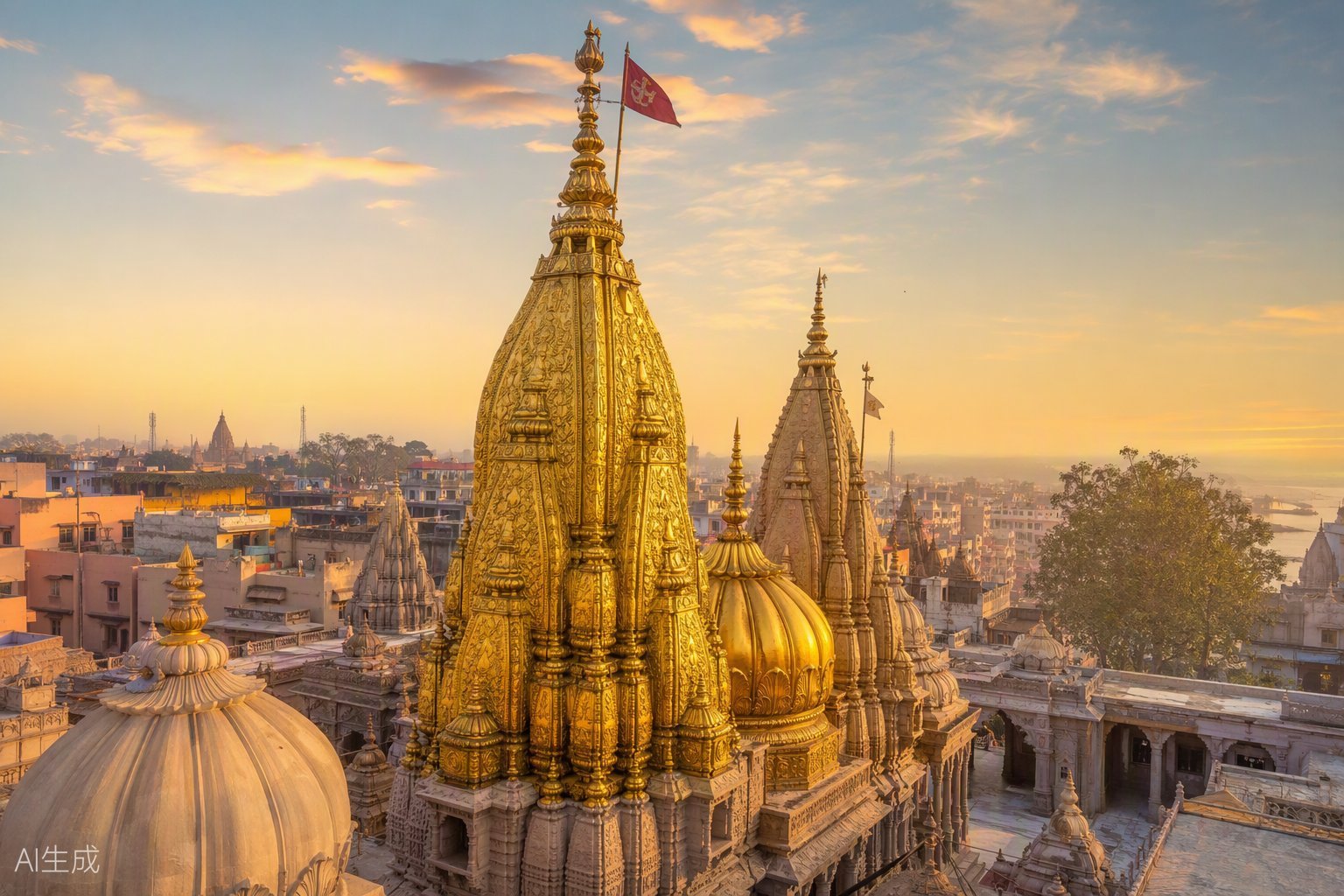
Where the Ramcharitmanas Lives
The white-marble Tulsi Manas Mandir (built 1964) honours Goswami Tulsidas, who tradition holds composed the Ramcharitmanas — the beloved Awadhi retelling of the Ramayana — in this very quarter of 16th-century Kashi. Where most temples house a deity's image, this one houses a poem: the Manas's verses are inscribed across its marble walls, and its upper chambers stage tableaux of the Ramayana's episodes.
The Experience
- Read the verses on the walls — even non-readers of Hindi feel the building's devotion to its text.
- The upper-floor Ramayana tableaux (mechanical dioramas) are a charming, distinctly Banarasi blend of devotion and folk theatre.
- The temple's calm and garden make it a restful stop between the southern ghats and Durga Kund.
Cultural Significance
The Ramcharitmanas is not merely literature in North India — it is scripture sung in homes, the Ramayana of the common people. That it was composed in Kashi binds the city to Rama-devotion as firmly as to Shiva: Kashi contains all the gods, her people say, even as she belongs to Mahadev. The temple is that truth in marble.
Visiting
Free entry, near Durga Kund; mornings and evenings are pleasantest. Combine with Sankat Mochan (Tulsidas's Hanuman temple) for the full Tulsidas trail.