
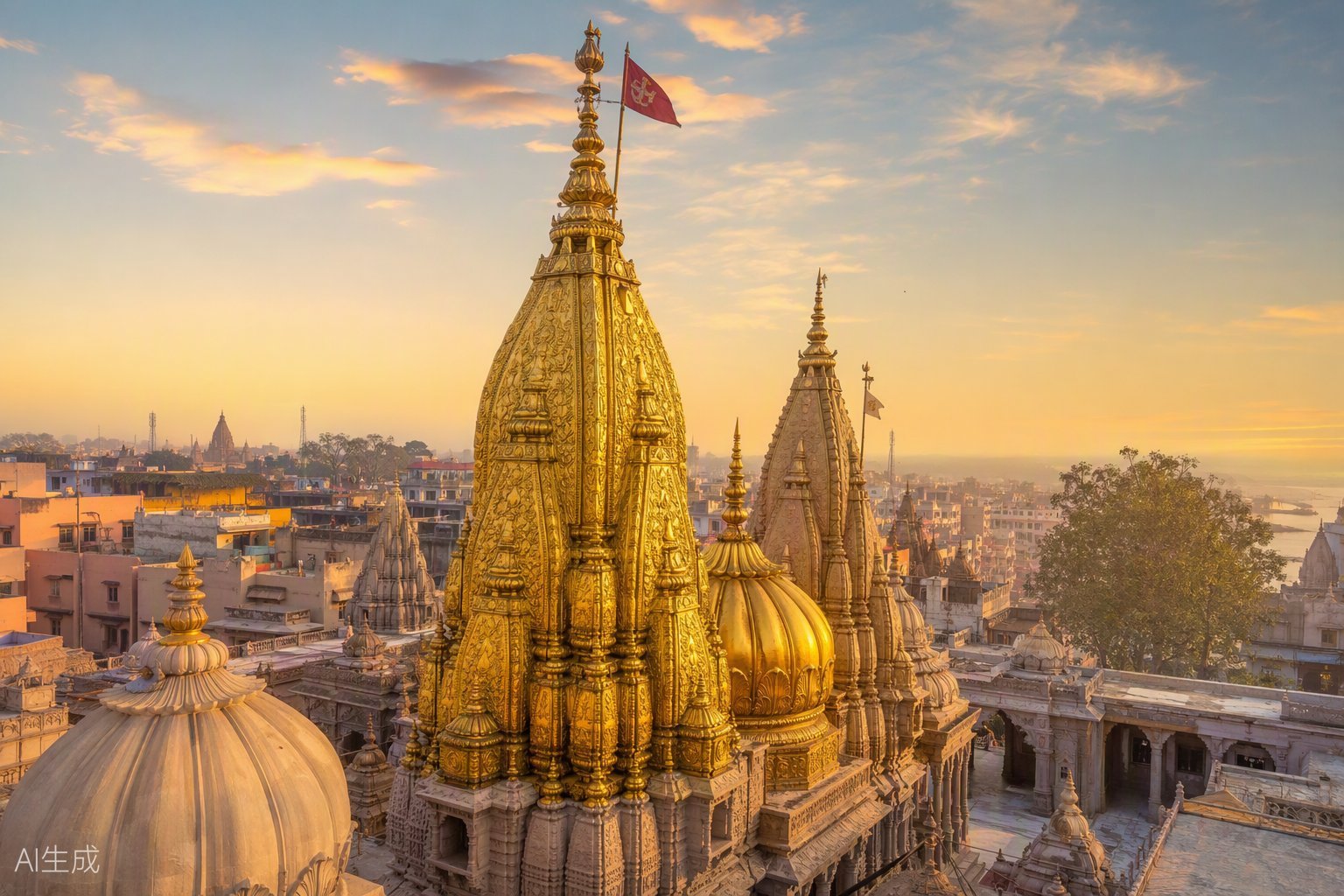
Sound as Worship
In Shiva devotion, mantra is the simplest and the deepest offering: no ritual knowledge, no materials, only attention and sound. Below are the great Shiva mantras with meanings, presented respectfully for learning and japa. Devotees traditionally receive advanced practice from a guru; the mantras here are universally chanted.
Om Namah Shivaya
The Panchakshara — the five-syllable king of Shiva mantras, enshrined in the Shri Rudram itself. "Salutation to Shiva" — to the auspicious one who is also the self. Chanted on rudraksha beads (108 rounds), it is the daily practice of millions and the heartbeat of Kashi's lanes.
Mahamrityunjaya Mantra
Om Tryambakam Yajamahe Sugandhim Pushtivardhanam / Urvarukamiva Bandhanan Mrityor Mukshiya Maamritat — "We worship the three-eyed one, fragrant, nourisher of all; may he free us from death's bondage as a cucumber frees from its vine — not from immortality." The great healing mantra, chanted for health and at life's thresholds.
Rudram & Chamakam
The Vedic salutation-cycle chanted in Rudrabhishek — saluting Rudra in all beings and asking all blessings. Traditionally learned from teachers; even listening, the tradition says, bathes the mind.
Other Beloved Recitations
- Shiva Tandava Stotram — Ravana's thunderous hymn to the dancing lord.
- Lingashtakam — eight verses to the linga; sung across Kashi's temples.
- Shivashtakam & Bilvashtakam — classic devotional octets.
- Kashi Vishwanath Ashtakam & Suprabhatam — the city's own hymns to its lord.
Practice Notes
Begin simply: Om Namah Shivaya, one mala, morning or evening. Pronunciation matters less than sincerity in this tradition, though listening to learned chanters tunes the ear. In Kashi, join the temple chantings — mantra learned in the lord's city, devotees say, never leaves you.