Facts That Deepen Darshan
- A city on a trident: Hindu tradition holds that Kashi rests on Shiva's trishul — which is why, devotees say, the city is never destroyed even at cosmic dissolution.
- The river flows "backwards": at Varanasi the Ganga takes an unusual northward course — tradition reads it as the river turning to salute Shiva's city.
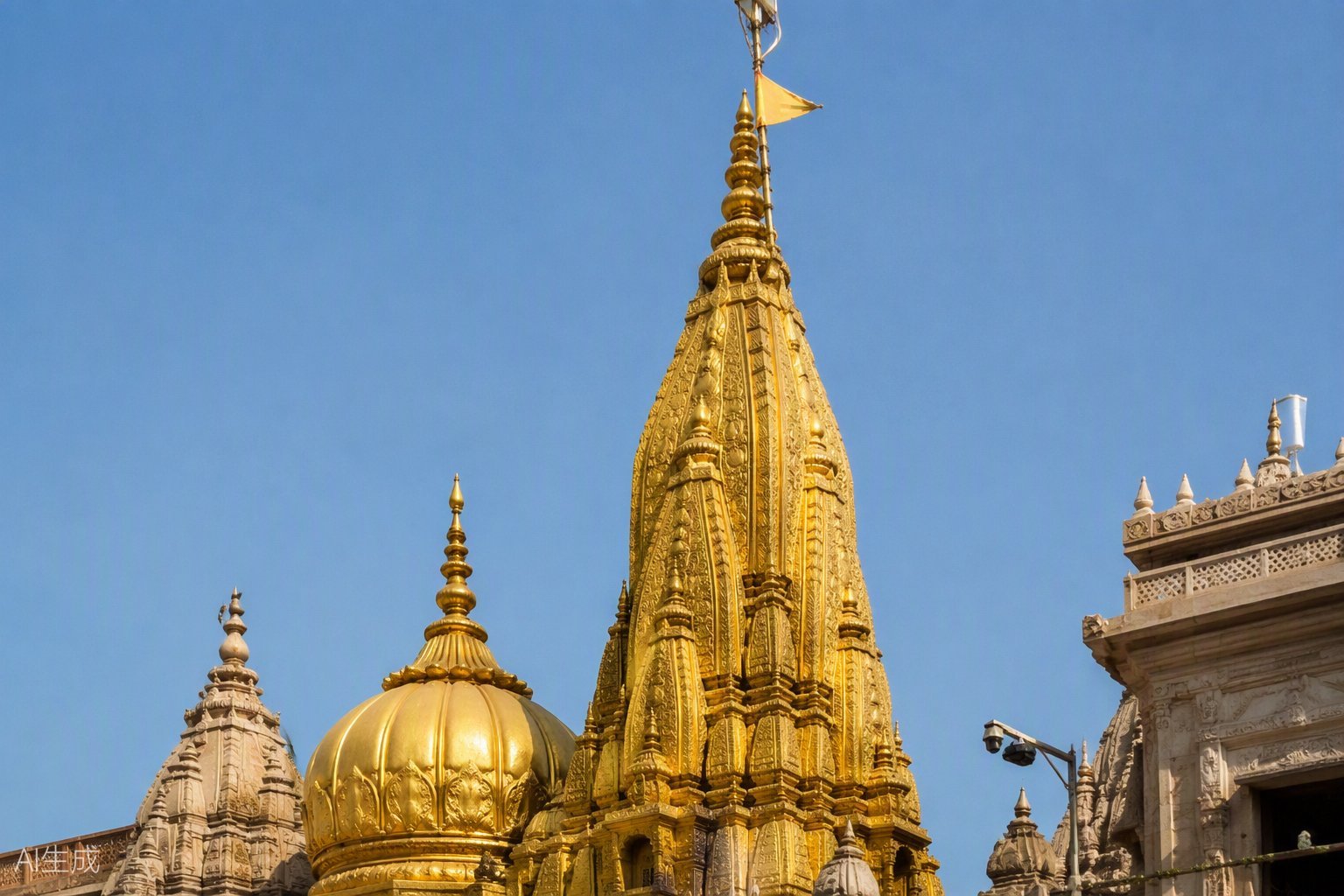
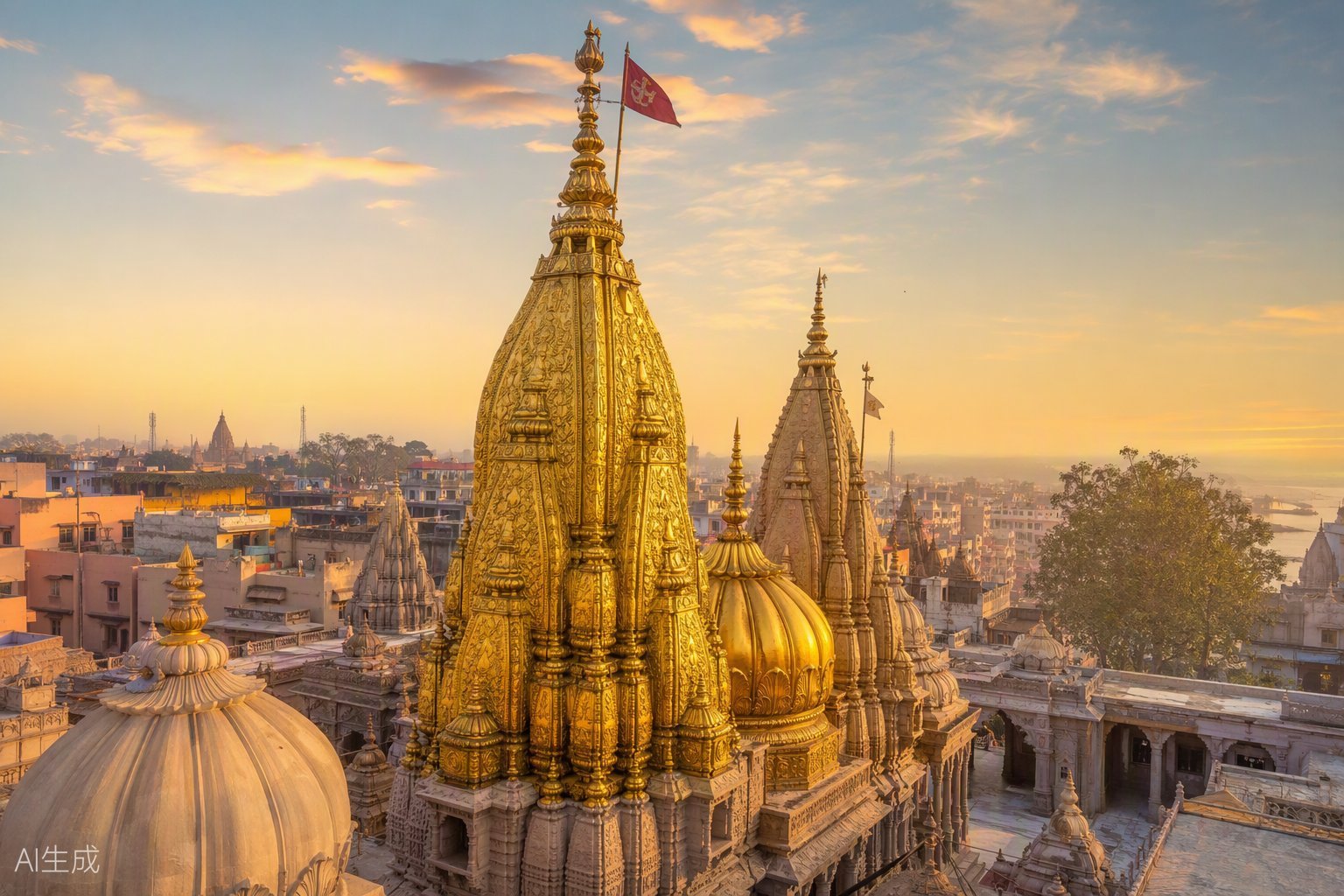
- Gold from Punjab: the temple's golden sheen came from Maharaja Ranjit Singh, the Sikh emperor — an interfaith footnote many visitors find moving.
- A queen's temple: the present structure (1780) is the work of a woman ruler, Maharani Ahilyabai Holkar of Indore.
- Nandi faces away: the old temple's Nandi still faces the historic pre-1669 sanctum site — a stone witness to the site's layered past.
- China's pilgrim saw it: Xuanzang (7th century CE) described a grand Shiva temple in Varanasi — documentation of Vishweshwara worship over 1,300 years ago.
- The never-closed door: tradition says Kashi never sleeps — the temple's aarti cycle begins at around 3 AM with Mangala Aarti.
- Two Vishwanaths: BHU's New Vishwanath Temple (Birla Temple) was built as a modern complement — its shikhara is among the tallest temple towers in India.
- 40 temples came back: corridor construction rediscovered more than 40 buried subsidiary temples, all conserved within the Dham.
- A million lamps: on Dev Deepawali (Kartik Purnima) the ghats below the temple are lined with countless diyas — visible, devotees like to say, to the gods themselves.
A Note on Fact-keeping
Where a "fact" belongs to tradition rather than documentation, we say so — that honesty is part of this site's editorial policy. Faith does not need exaggeration, and history does not need inflation; Kashi is extraordinary enough in plain fact.