The City Shiva Would Not Leave
The Kashi Khanda of the Skanda Purana tells it: Shiva so loved Kashi that even when forced away, he returned — for Kashi is his avimukta, the never-forsaken. The city is called his trishul's point, his own cremation ground, the one place he holds permanently at the end of cosmic cycles. To die in Kashi is to receive the Taraka mantra from Shiva himself — liberation whispered at the last breath.
How the Bond Shapes the City
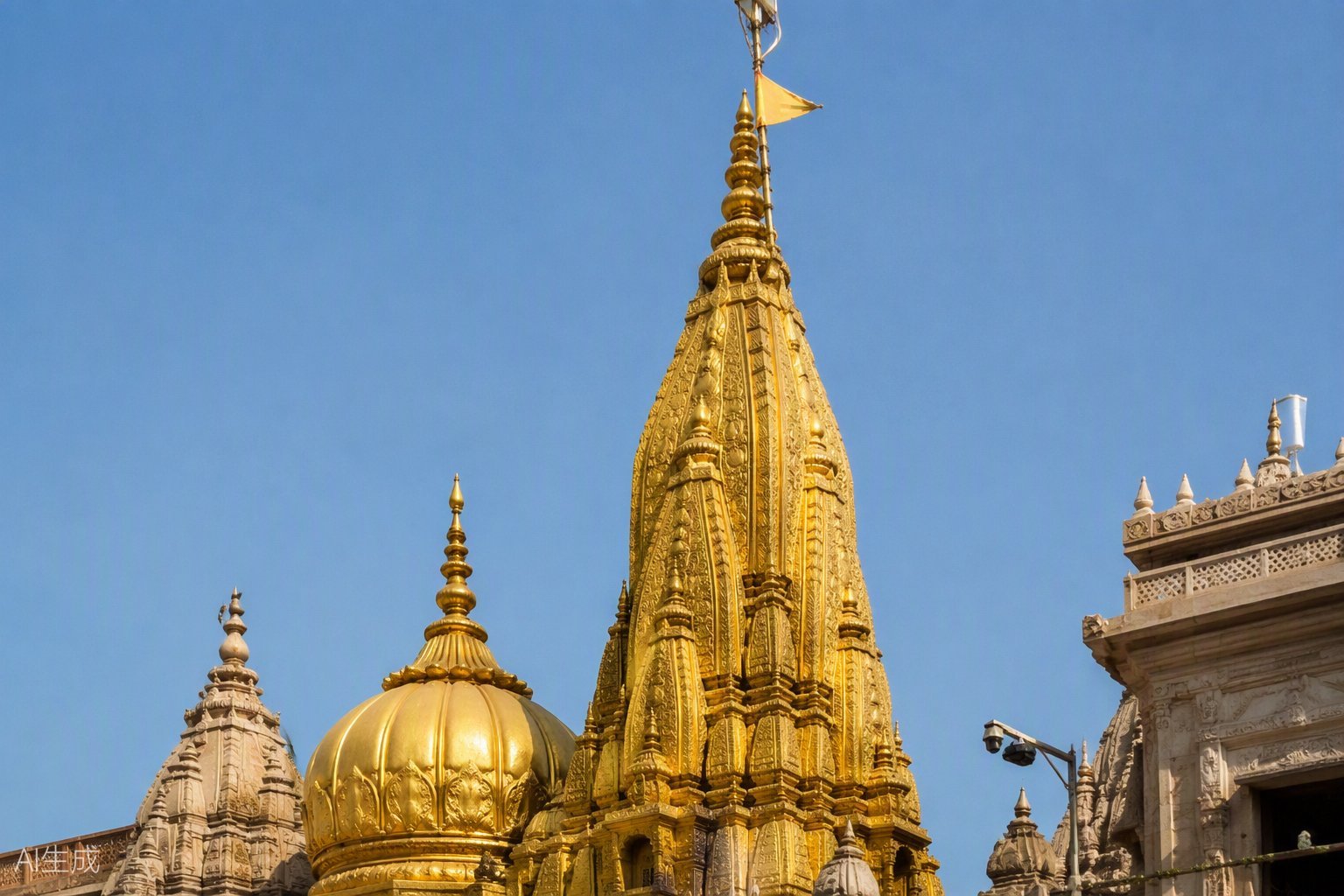
Every lane of old Kashi is a Shiva lane: innumerable lingas in niches, courtyards and shrines; ash-smeared sadhus; the Mahashmashan ("great cremation ground") that is Manikarnika, where Shiva's dance of time is most visible; the aarti flames rising to Vishwanath's lord each dusk. Even the city's greeting — "Har Har Mahadev" — is a Shiva invocation. Kashi is not a city with a Shiva temple; it is a Shiva city that happens to contain everything else.
Shiva's Household in Kashi
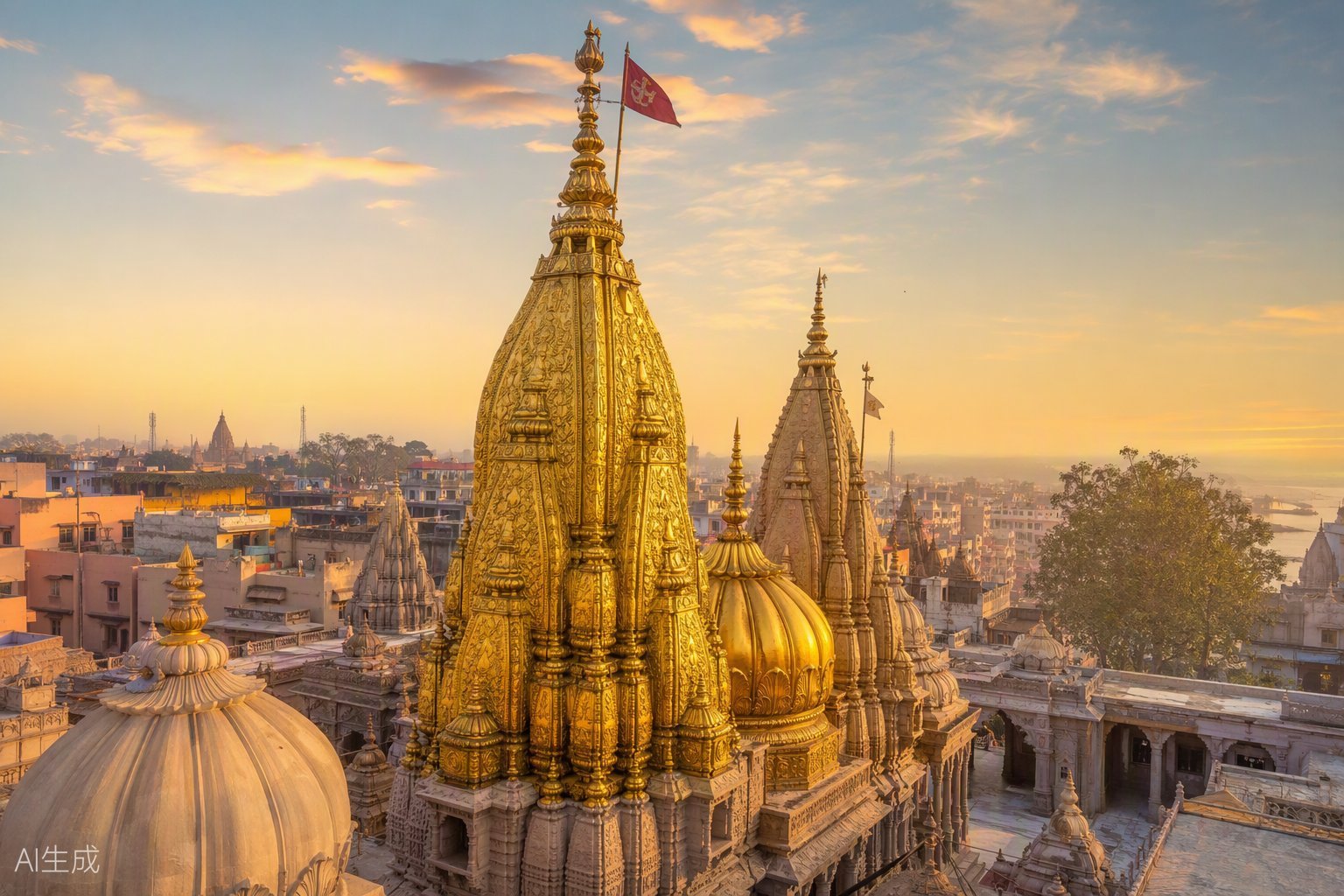
Parvati reigns beside him as Annapurna, feeding the city; Kaal Bhairav guards it as Kotwal; the Ganga he caught in his locks flows at its feet, turning north as if to face him. The Jyotirlinga Vishwanath anchors the whole: light at the centre of the sacred mandala that is Kashi.
For the Pilgrim
To visit Kashi is to enter Shiva's own biography. Take darshan at Vishwanath, greet the guardian Bhairav, bow to the mother Annapurna, sit on the ghats of his river — this sequence is not tourism but an introduction, conducted by the city itself, to the lord of the universe.