What the Corridor Is
The Kashi Vishwanath Dham is the pilgrim-precinct project inaugurated on 13 December 2021 that transformed the area between the Kashi Vishwanath Temple and the Ganga. Where dense 18th–20th-century fabric once pressed against the temple, there is now a grand sandstone plaza: a direct, processional axis from the river steps to Baba's door, with facilities the old lanes never had room for.
Purpose
- Restore the classical Ganga-to-Vishwanath pilgrimage sequence — snan, then darshan — as a continuous, dignified walk.
- Decongest darshan: the temple once received rising millions of pilgrims through lanes a few metres wide.
- Provide modern pilgrim facilities: queuing halls, cloak/locker facilities, drinking water, medical aid, accessible routes, a museum and galleries.
- Conserve the dozens of historic small temples found within the precinct during clearance.
Scale and Design
The project expanded the temple precinct from roughly 3,000 m² to about 50,000 m² (≈5 lakh sq ft), at a reported project cost of around ₹800+ crore across phases. Over 40 historic temples discovered during construction were restored and re-consecrated. Figures per Government of UP and project communications; treat specific numbers as of their announcement dates.
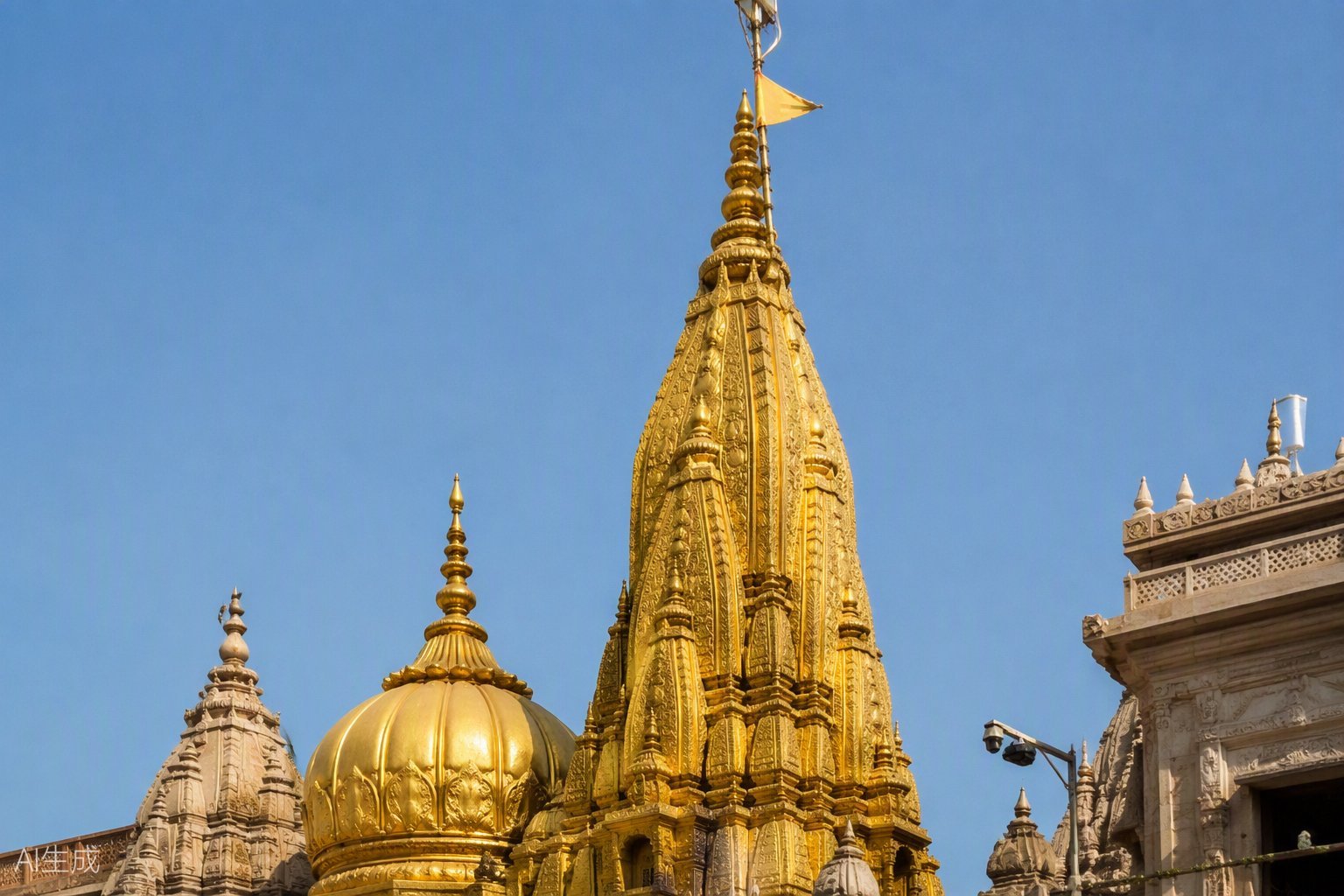
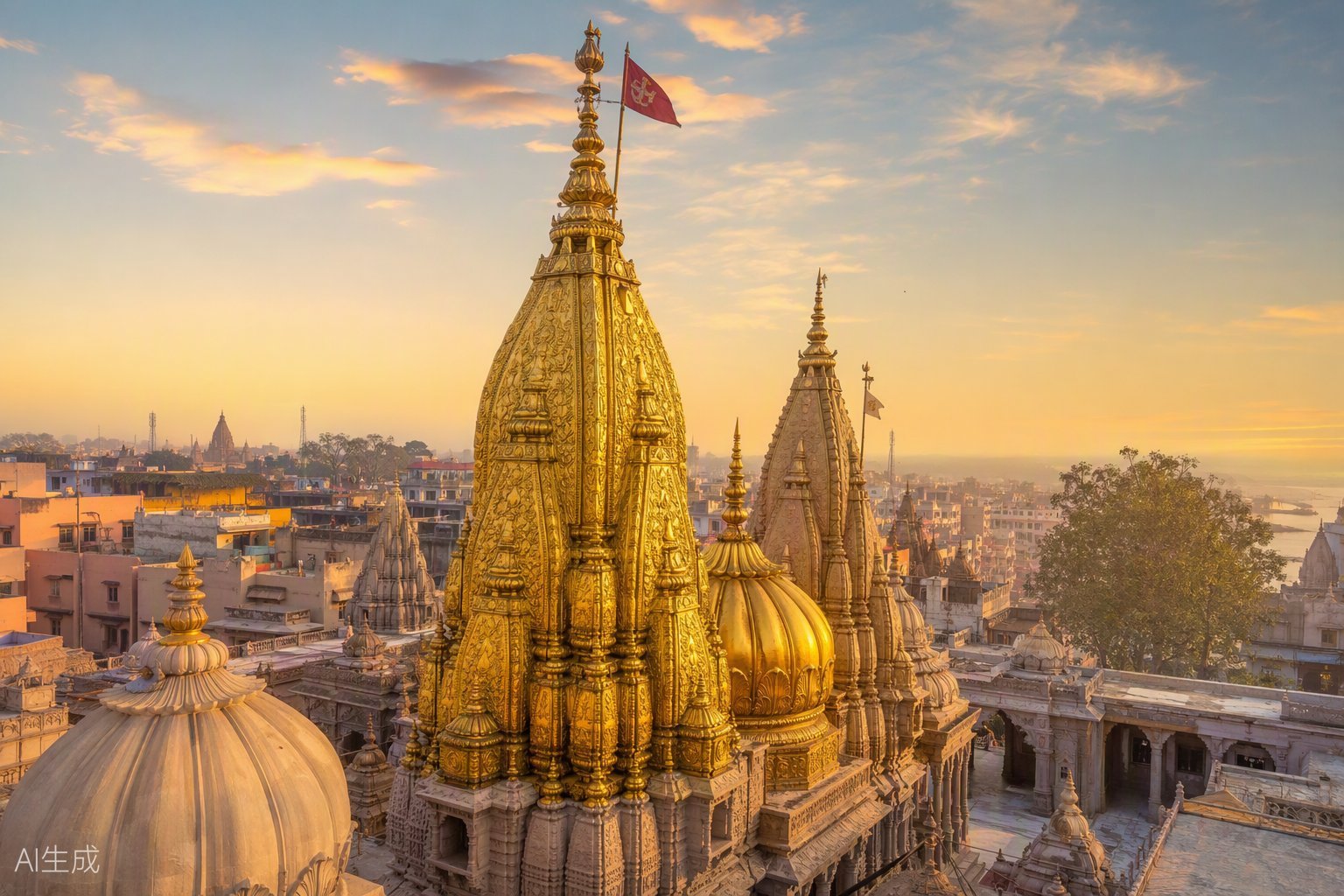
The architecture is contemporary temple-city: red Chunar sandstone colonnades, carved pillars with bilva and trishul motifs, broad shaded concourses, the riverfront steps near Lalita Ghat, and — at the head of it all — the 1780 temple, framed but untouched. Night illumination makes the plaza one of Kashi's great sights from the river.
Facilities for Pilgrims
- Direct Ganga access — the classical snan-to-darshan route in one continuous precinct.
- Queue and waiting halls, drinking water, washrooms, medical assistance points.
- Lockers and deposit points for phones and bags (prohibited inside the temple).
- Ramps and accessible routes; assistance for elderly and Divyang pilgrims via official services.
- Mumukshu Bhawan, Vedic centre, museum/gallery spaces and food court within the Dham.
Before and After
Older pilgrims remember darshan as hours pressed into Vishwanath Gali; today the same journey moves through shaded, managed space. Both approaches remain open — the gali for its timeless intimacy, the corridor for comfort and the river axis. Many pilgrims now bathe at the ghats, walk up the corridor for darshan, and exit through the gali for the old city's sweets and silk.
Visitor Movement: Practical Notes
- Multiple entry points exist (ghat side, Godowlia side, gali side); security checks apply at all.
- Festival days bring regulated one-way flows — follow police and Trust staff signage.
- The corridor is ideal for senior citizens and wheelchairs compared with the old lanes.
- Photography rules: permitted in much of the Dham plaza, prohibited inside the temple proper — observe signage.
Getting There
The riverfront entrance lies above Lalita Ghat, between Dashashwamedh and Manikarnika; the city-side entrances approach from the Godowlia–Chowk area. See the route map for walking routes from the ghats, stations and Godowlia crossing.