Ascetic and Goddess
The marriage of Shiva and Parvati is one of Hinduism's great love stories: the mountain-daughter whose devotion won the ascetic who had renounced the world; the wedding that all the gods attended; the household at Kailash where the lord of dissolution became a husband and father. Their union is the tradition's image of completeness — Shiva without Shakti, the saying goes, is shava (a corpse); power and consciousness need each other.
In Kashi: Vishwanath & Annapurna
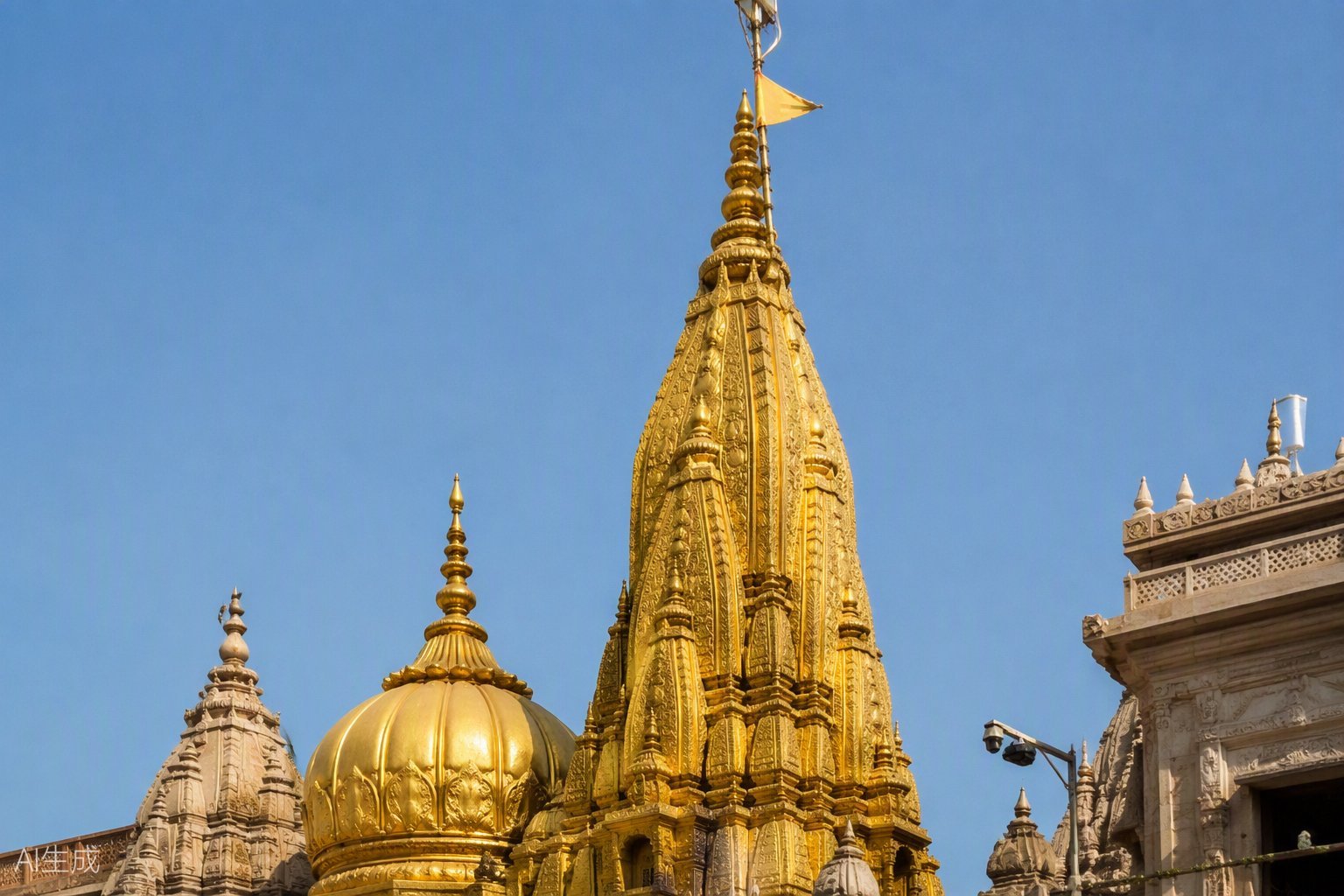
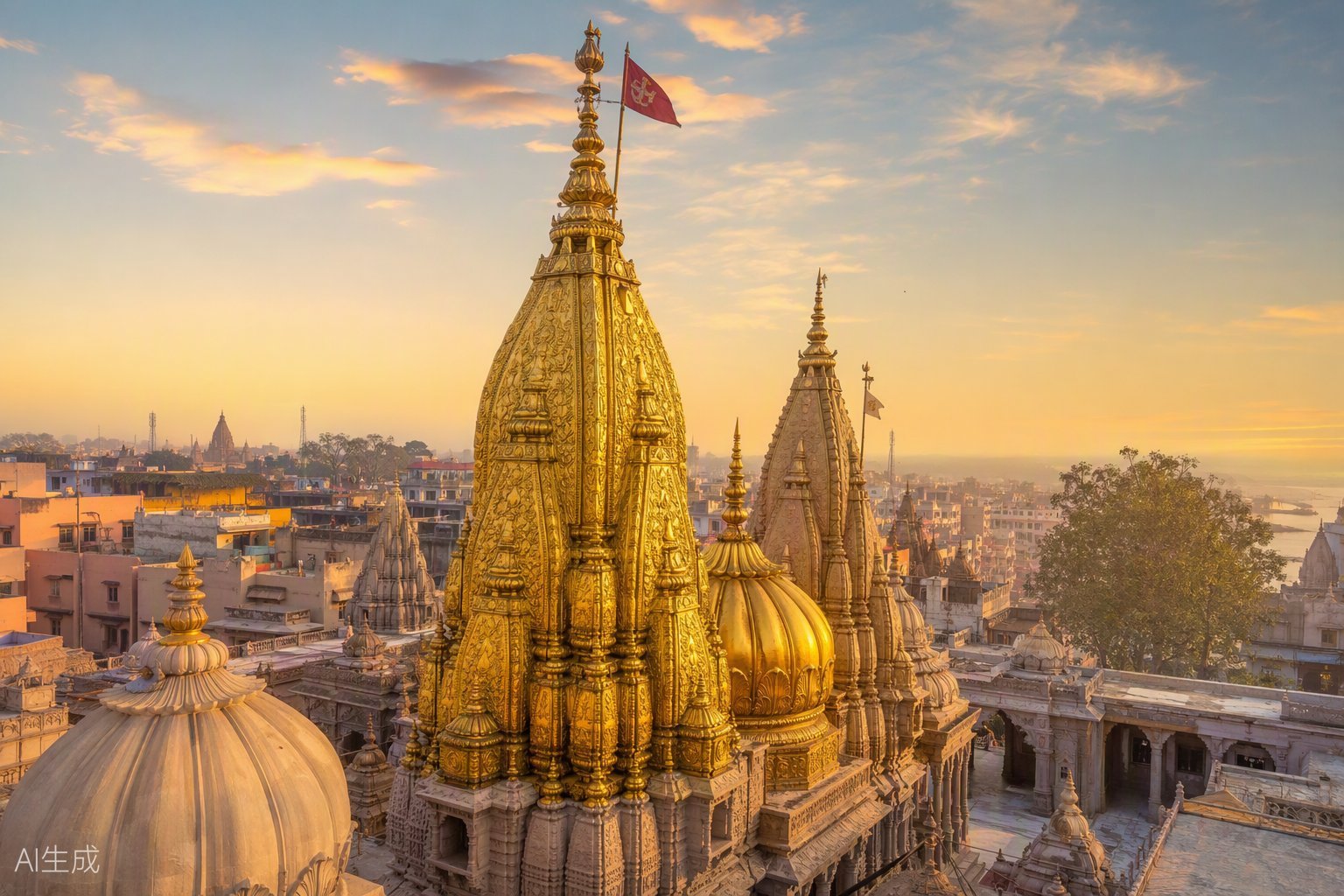
Nowhere is the divine couple more civic than in Kashi. Shiva rules as Vishwanath, lord of the universe; Parvati as Annapurna, the mother who feeds. The devotional episode of Shiva begging at Annapurna's door in Kashi — learning that the world he called illusion still needs bread — is the city's own theology: liberation and nourishment, monk and mother, side by side in adjacent shrines.
Festivals of the Couple
Mahashivratri celebrates their wedding night — Kashi's Shiva temples overflow. The Shiv Baraat (wedding procession) traditions enact the groom's eccentric party through the lanes. Teej and Gauri observances honour Parvati; the Annapurna festivals feed the city in her name.
For Devotees
Couples pray to Shiva-Parvati for harmony; the tradition reads their marriage as the template of partnership in difference — stillness and dynamism, austerity and abundance. In Kashi, their darshan together — Vishwanath's linga, Annapurna's golden image — is the pilgrimage's quiet heart.