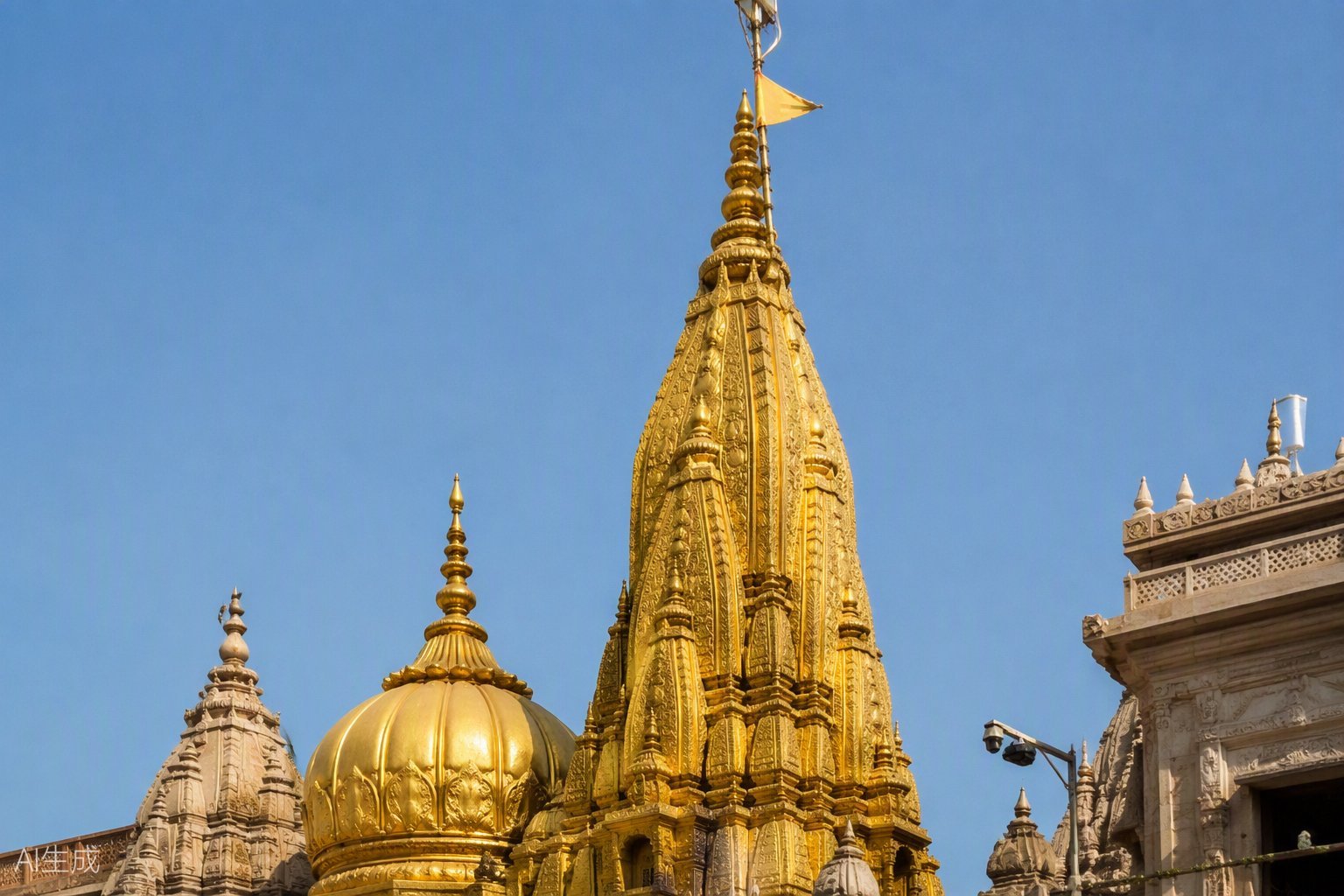
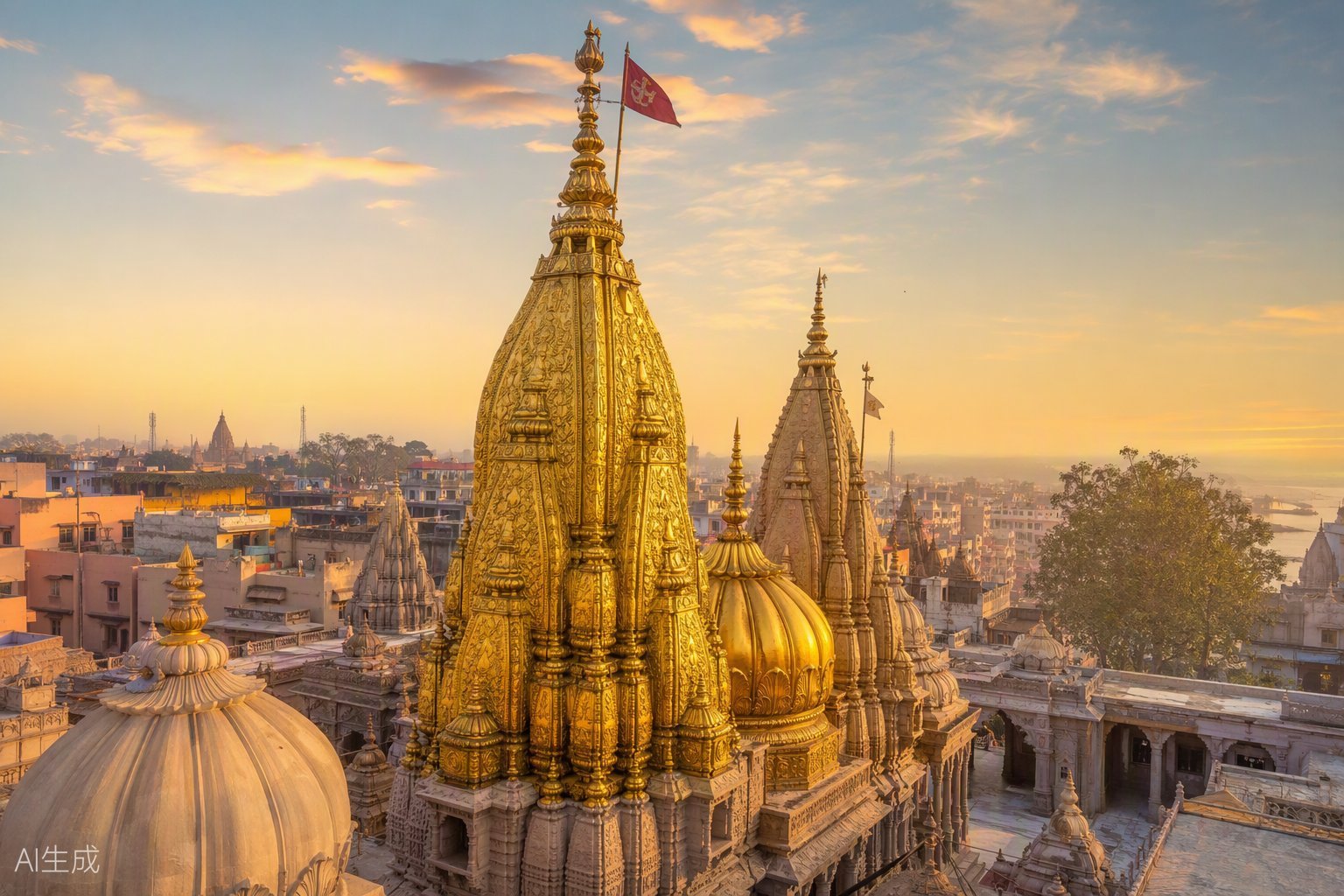
What Is a Jyotirlinga?
Jyoti means light; linga means mark, sign, or symbol. A Jyotirlinga is thus "the linga of light" — a shrine where, according to Hindu tradition, Shiva is present not as a carved image but as a self-manifest sign of the formless Absolute. Twelve such shrines across India are revered as the Dwadasha (twelve) Jyotirlingas, and pilgrimage to them is among the great devotional aspirations of a Hindu life.
Meaning of Jyoti · Meaning of Linga
The Shiva Purana tells the founding account: Brahma and Vishnu once contested supremacy, and Shiva appeared between them as an endless pillar of blazing light. Neither, travelling up and down, could find its beginning or end. The Jyotirlingas commemorate that immeasurable light made approachable — the infinite agreeing to be worshipped at twelve particular, beloved places.
the linga not with anatomy but with the axis of existence — the still point around which creation turns. Temple worship, abhishek and circumambulation all enact this cosmology in miniature.
Why Kashi Vishwanath Is Counted Among the Twelve
The Dwadasha Jyotirlinga Stotram — the traditional Sanskrit list sung by devotees — names the second Jyotirlinga as "Kāśī viśvanāthaṁ"… Actually, in the common recension the verse runs: "Saurāshtre Somanāthaṁ cha, Shrīshaile Mallikārjunam; Ujjayinyāṁ Mahākālam, Oṁkāram Amlleśhvaram… Kāśhyāṁ tu Viśhveśhaṁ cha…" — Vishwesha of Kashi among them. The stotram promises that remembrance of the twelve destroys accumulated sin across lives. Kashi's inclusion rests on its identity as Shiva's own city: if the Jyotirlingas are where Shiva's light is most present, then the city he never abandons must hold one.
Kashi as Avimukta Kshetra
The Kashi Khanda calls the city Avimukta — "never forsaken". Even at pralaya, the cosmic dissolution, tradition says Shiva holds Kashi aloft on his trishul. Related is the city's identity as a moksha-kshetra: the widespread belief that Shiva whispers the Taraka (crossing-over) mantra into the ear of one who dies here. This is why Kashi draws not only pilgrims seeking blessing but the aged seeking a holy end — the city's hotels of salvation, its hospices, and Manikarnika's fire all belong to this theology of liberation.
Vishwanath / Vishweshwar — the Name
Both forms mean "Lord of All". Devotees hear in it a promise: the lord of the entire universe is locally, personally available — in a small sanctum, down a narrow lane, beside a great river. The Jyotirlinga of the universe's lord sits at the heart of the universe's oldest sacred city: the theology and the geography rhyme.
Connection with Maa Annapurna
Kashi tradition pairs the Jyotirlinga with the goddess who feeds: Shiva as Vishwanath grants liberation, Parvati as Annapurna grants nourishment. A famous devotional episode has Shiva begging alms from Annapurna in Kashi — the lord of the universe accepting rice from the mother of the universe. The two temples stand minutes apart, and pilgrims honour both.
Connection with the Ganga
Shiva bears the Ganga in his locks in iconography; at Kashi the river meets his feet. The northward loop of the Ganga at Varanasi — geographically unusual — is read by tradition as the river turning back toward Shiva's city. Abhishek of the Jyotirlinga with Ganga jal joins the two holiest presences of Kashi in a single act.
The Jyotirlinga Pilgrimage
Many devotees aspire to visit all twelve Jyotirlingas across a lifetime; others complete thematically linked circuits (the five Maharashtra Jyotirlingas, the two Himalayan ones). Kashi Vishwanath typically anchors the east. Our 12 Jyotirlingas guide maps all twelve with travel notes and honest treatment of the two locations where lists vary (Vaidyanath and Nageshwar have more than one claimed site, which we acknowledge).
Visiting the Jyotirlinga
Darshan is free and open through the day between aartis; abhishek offerings and aarti attendance are booked via the official Temple Trust portal. The darshan guide on this site explains queues, lockers, Sugam Darshan and festival-day realities. However you come — scholar, seeker, or simple devotee — the tradition's invitation is the same: stand before the light, and be still.